The iGaming industry in Latin America has experienced a remarkable surge in recent years, with Brazil emerging as the epicenter of this rapid growth. As international casino operators seek to capitalize on this burgeoning market, they face both exciting opportunities and unique challenges. In this comprehensive article, we’ll explore the key factors driving the Latin American iGaming boom and the strategies global brands can employ to navigate this dynamic landscape.
Latin America’s iGaming market has been on a meteoric rise, with Brazil leading the charge. According to a report by H2 Gambling Capital, the region’s online gambling gross gaming revenue (GGR) is expected to reach $3.8 billion by 2024, up from $2.2 billion in 2020. This remarkable growth is fueled by a combination of factors, including the gradual liberalization of gaming regulations, the increasing smartphone penetration, and the region’s tech-savvy, young population.
The Rise of Brazil’s Gambling Landscape
At the heart of Latin America’s iGaming boom is Brazil, which is poised to become the region’s largest and most lucrative market. The country’s recent legalization of sports betting has opened the door for international operators to enter the market, and leading brands like Betsson, Bet365, and Caesars Sportsbook have already established a presence. The Brazilian government’s plans to regulate online casino games further are expected to drive even greater growth in the coming years.
Navigating Regulatory Complexities
While the opportunities in Latin America are vast, international casino operators must also navigate the region’s complex and evolving regulatory landscape. Each country has its own set of laws and licensing requirements, and staying compliant can be a significant challenge. Operators must closely monitor regulatory developments and work closely with local partners to ensure they are operating within the bounds of the law.
Strategies for International Casino Brands
As international casino operators seek to capitalize on the Latin American iGaming boom, they must develop tailored strategies to succeed in this dynamic market. Here are some key considerations:
Localization and Personalization
Successful international brands in the Latin American iGaming market understand the importance of localization. This includes offering content and user experiences that cater to the unique preferences and cultural nuances of each country. Partnering with local content providers and leveraging data-driven insights to personalize the player experience can be a significant competitive advantage.
Diversifying the Product Portfolio
While sports betting has been a primary driver of growth in the Latin American iGaming market, international operators must also diversify their product portfolios to appeal to a broader range of players. This includes offering a wide selection of table games, such as Baccarat, Blackjack, and Roulette, as well as live dealer experiences that cater to the preferences of local players. Collaborating with leading game providers like Evolution Gaming, Pragmatic Play, and Playtech can help operators build a comprehensive and engaging product suite.
Leveraging Local Partnerships
Forging strategic partnerships with local industry players can be a crucial factor in success for international casino operators in Latin America. This includes collaborating with local media outlets, sports teams, and influencers to enhance brand visibility and reach. By tapping into established local networks and leveraging their expertise, global brands can navigate the complexities of the Latin American market more effectively.
Addressing the Challenges
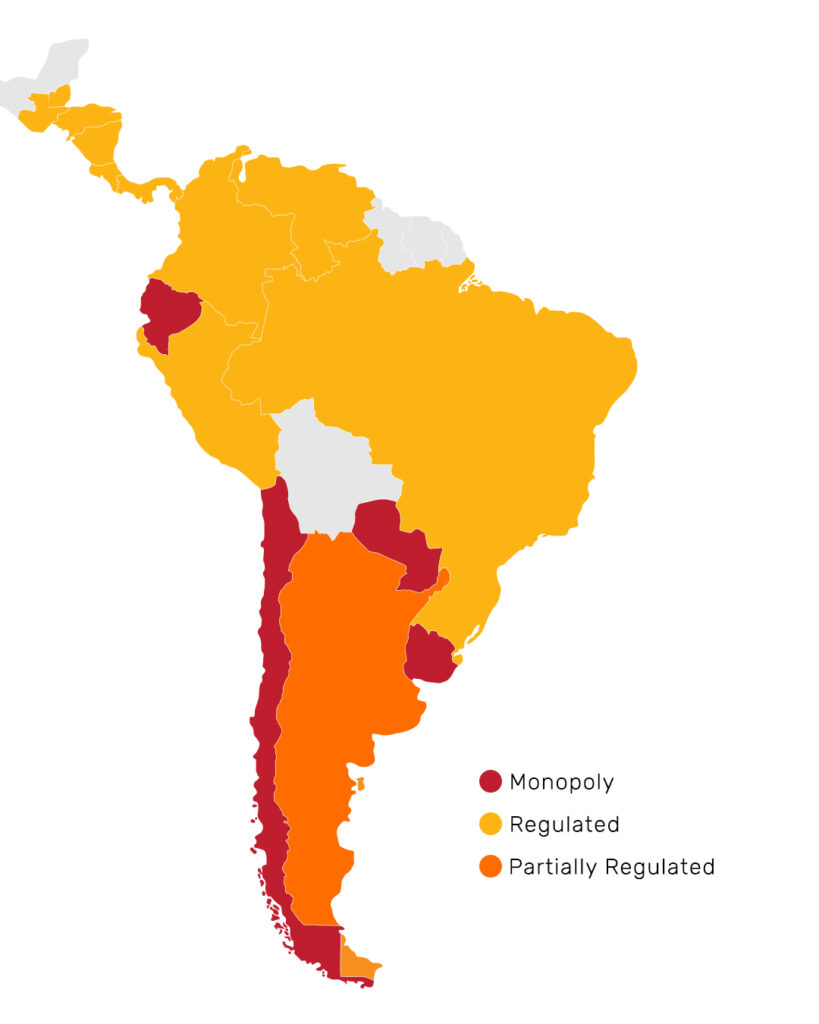
While the opportunities in Latin America’s iGaming market are undeniable, international casino operators must also be prepared to address several key challenges:
Combating Illegal Operators
The prevalence of illegal and unregulated operators in the region poses a significant threat to the growth of the legitimate iGaming industry. International brands must work closely with local authorities and industry associations to crack down on these illicit operations and protect the integrity of the market.
Responsible Gambling Practices
As the iGaming market expands, there is an increasing focus on responsible gambling practices. International operators must prioritize player protection measures, implement robust age verification systems, and provide resources for problem gambling support. Adhering to responsible gambling best practices not only safeguards players but also builds trust and credibility in the industry.
In conclusion, the Latin American iGaming market presents a wealth of opportunities for international casino operators, but navigating this dynamic landscape requires a strategic and adaptable approach. By understanding the unique drivers of growth, developing localized strategies, and addressing the challenges head-on, global brands can capitalize on the region’s rapid expansion and establish a strong foothold in this emerging market. Remember, responsible gambling should always be a top priority in any iGaming endeavor.

0 Comments